Why Headlight Upgrades Are a Volume Business for Repair Shops
Vehicle lighting is one of the highest-frequency replacement categories in the aftermarket. Bulbs dim with age, housings cloud and drivers increasingly expect the crisp white output they see on newer vehicles. For repair shops and parts distributors, offering a structured bulb upgrade path — halogen, LED and laser — converts a low-value consumable into a higher-value service with clear customer benefits.
Halogen: The Reliable Baseline
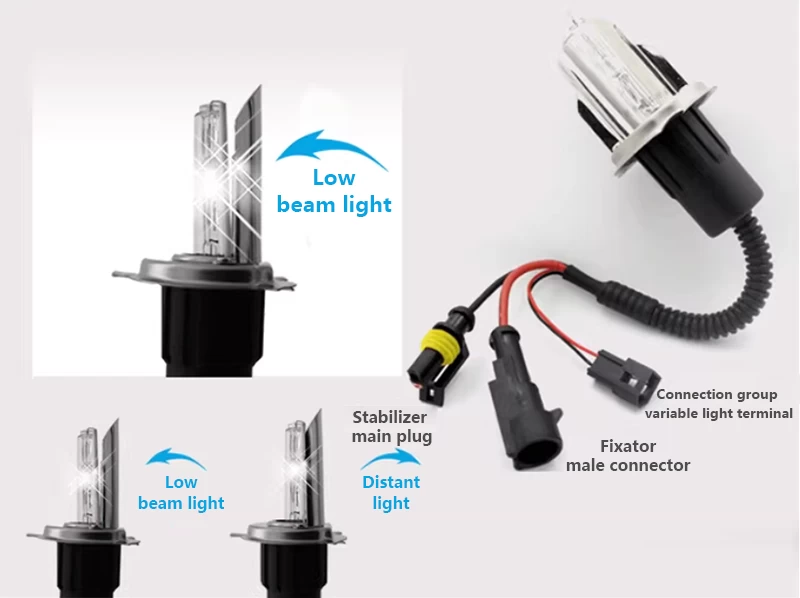
Halogen bulbs remain the most widely fitted and the simplest to service. They are inexpensive, immediately available and need no modification to the vehicle.
- Strengths: lowest cost, universal fitment, warm colour temperature that performs well in rain and snow, no thermal or electrical redesign required.
- Limitations: lower luminous efficacy, shorter service life, output that degrades gradually so drivers rarely notice the loss.
- Best for: high-volume replacement, older vehicles, and customers who prioritise cost and simplicity.
LED: The Current Mainstream Upgrade
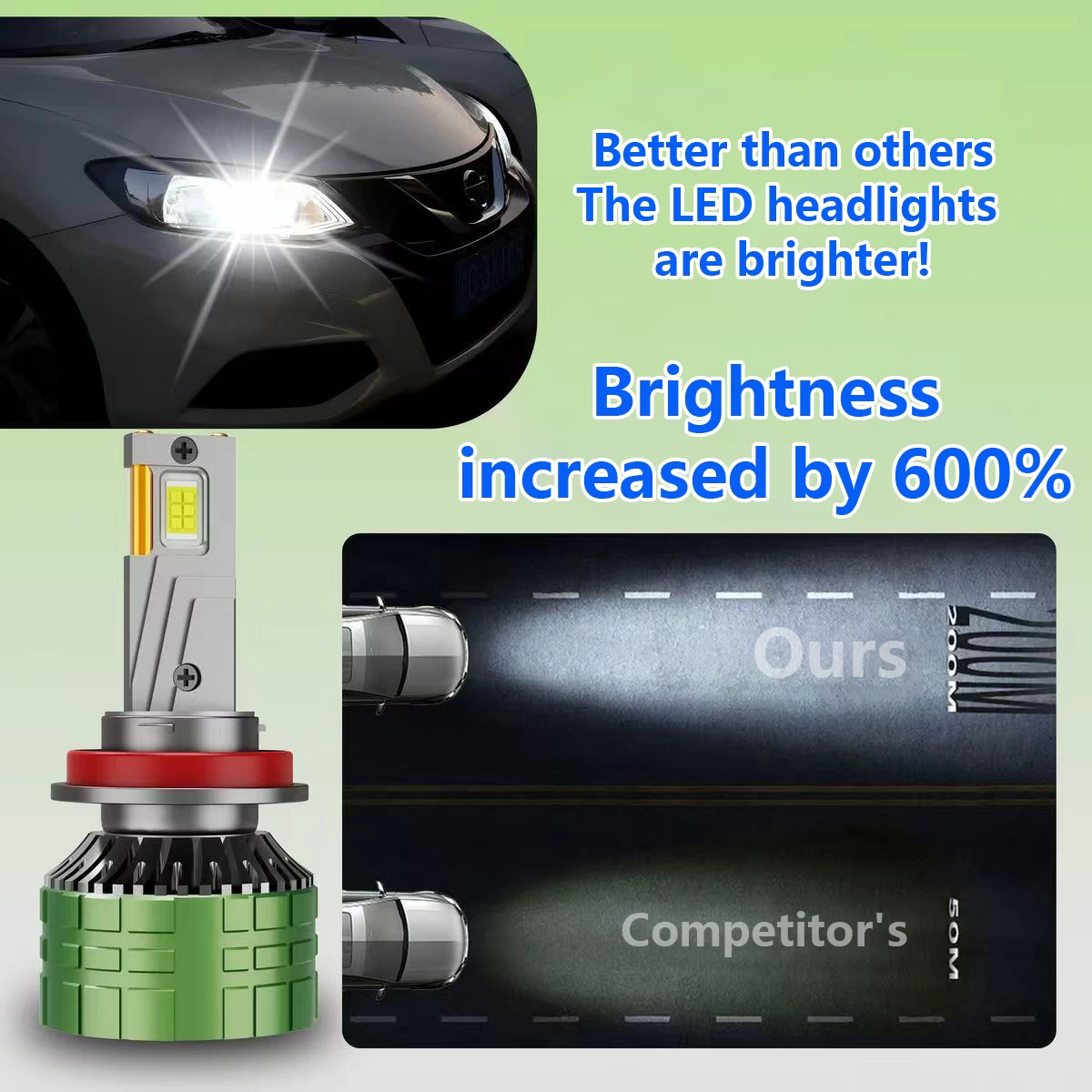
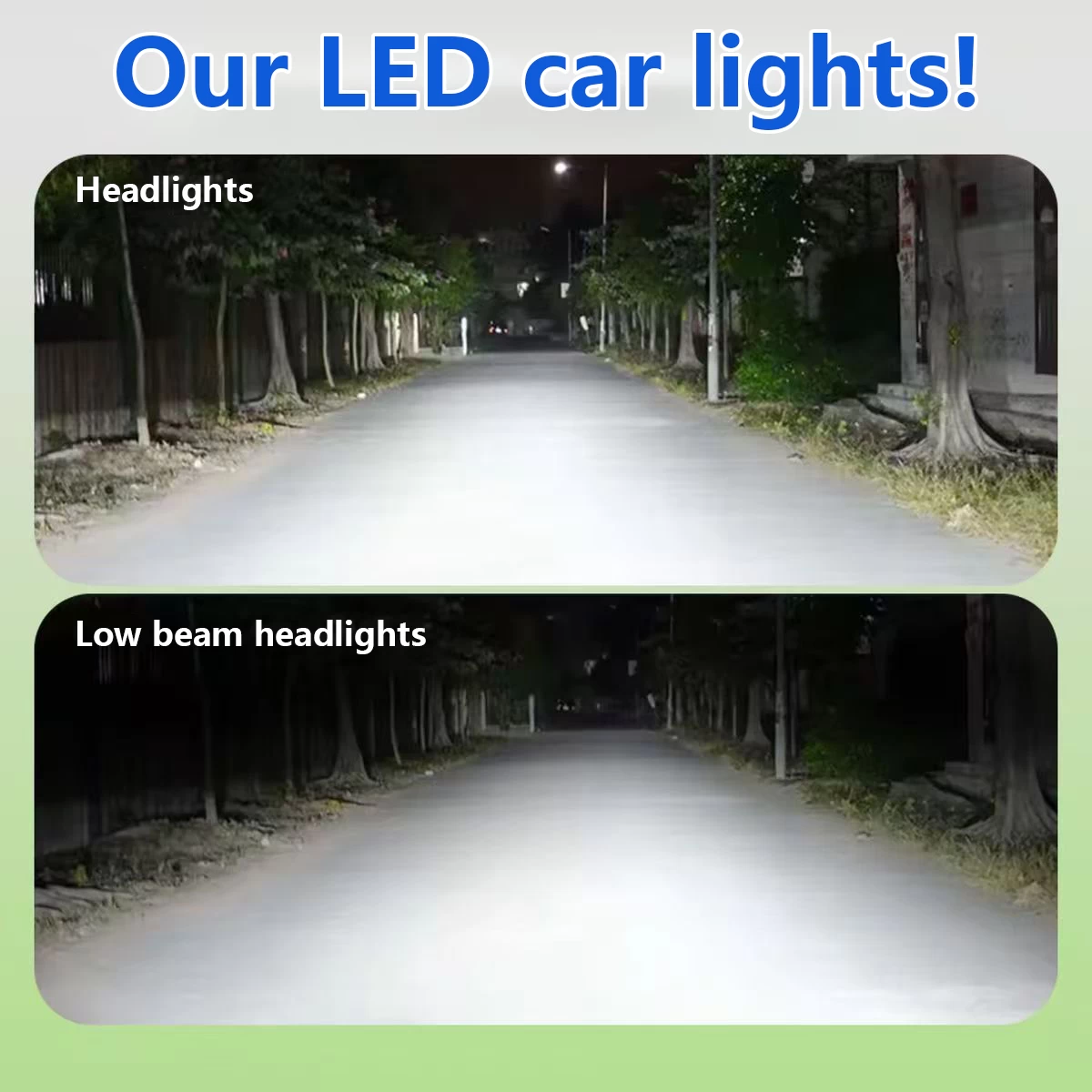
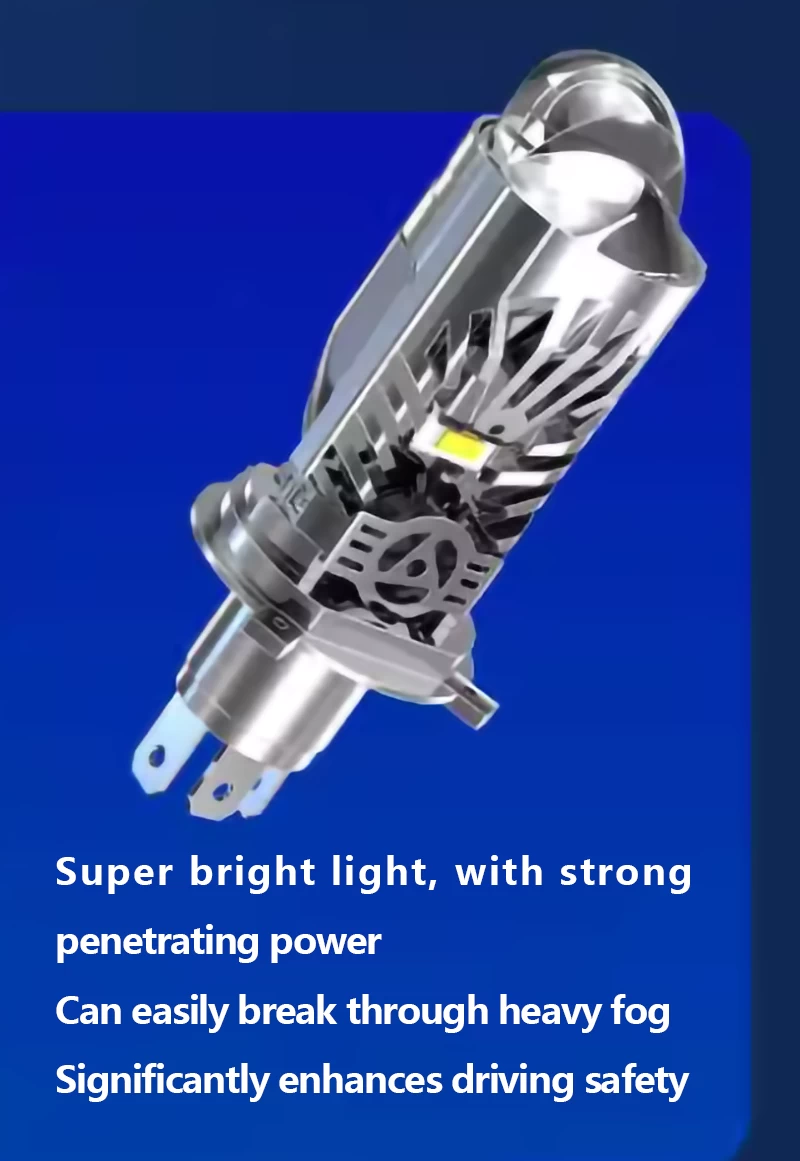
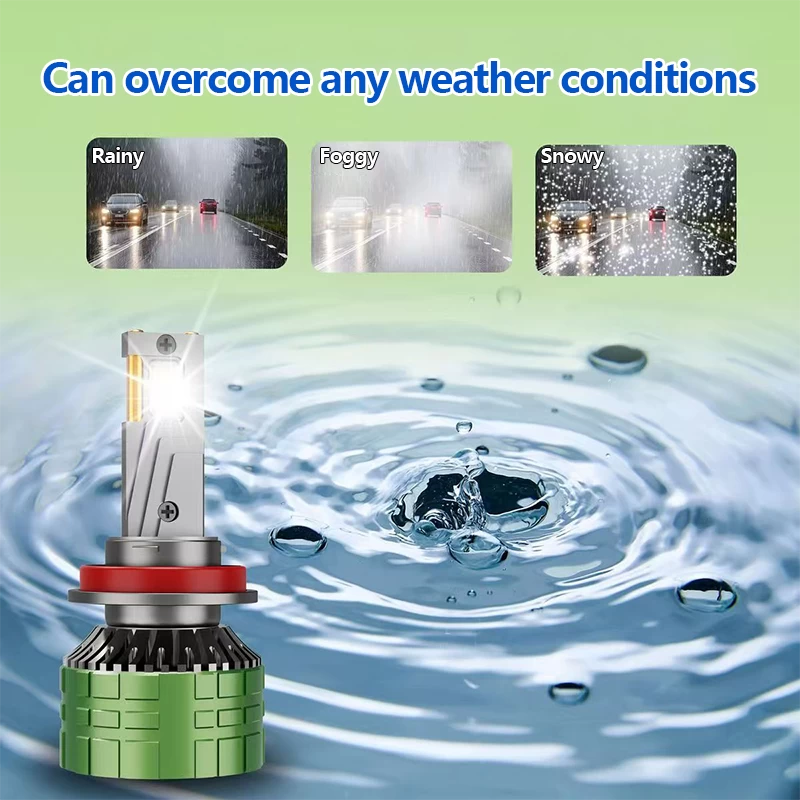
LED retrofit and OEM LED systems have become the default upgrade choice in many markets. The advantages are straightforward: higher luminous efficacy, near-instant full brightness, a cool white colour temperature and a service life typically several times that of halogen.
Two technical points decide whether an LED upgrade performs well or disappoints:
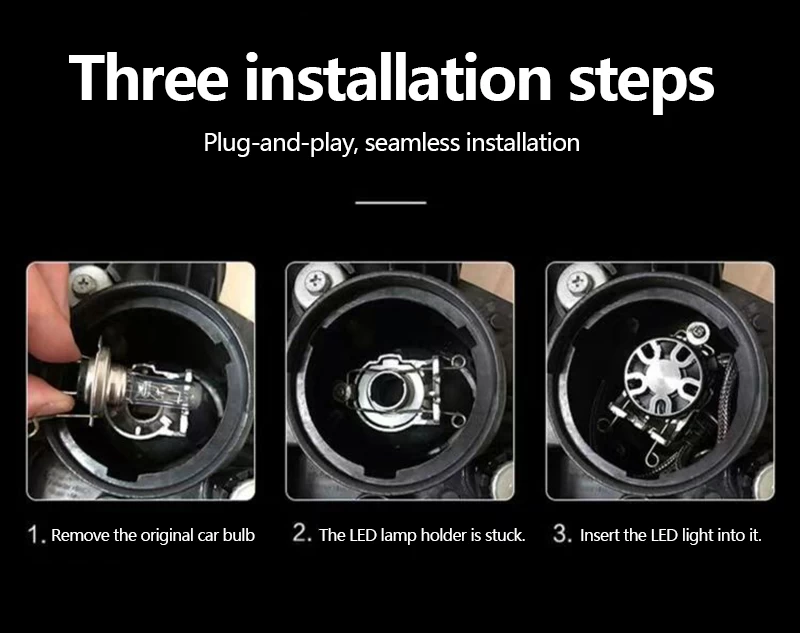
- Beam pattern preservation. An LED bulb must place its light source at the same focal position as the halogen filament it replaces. If the chip position is wrong, the reflector scatters light, producing glare for oncoming traffic and a dim, unfocused beam for the driver.
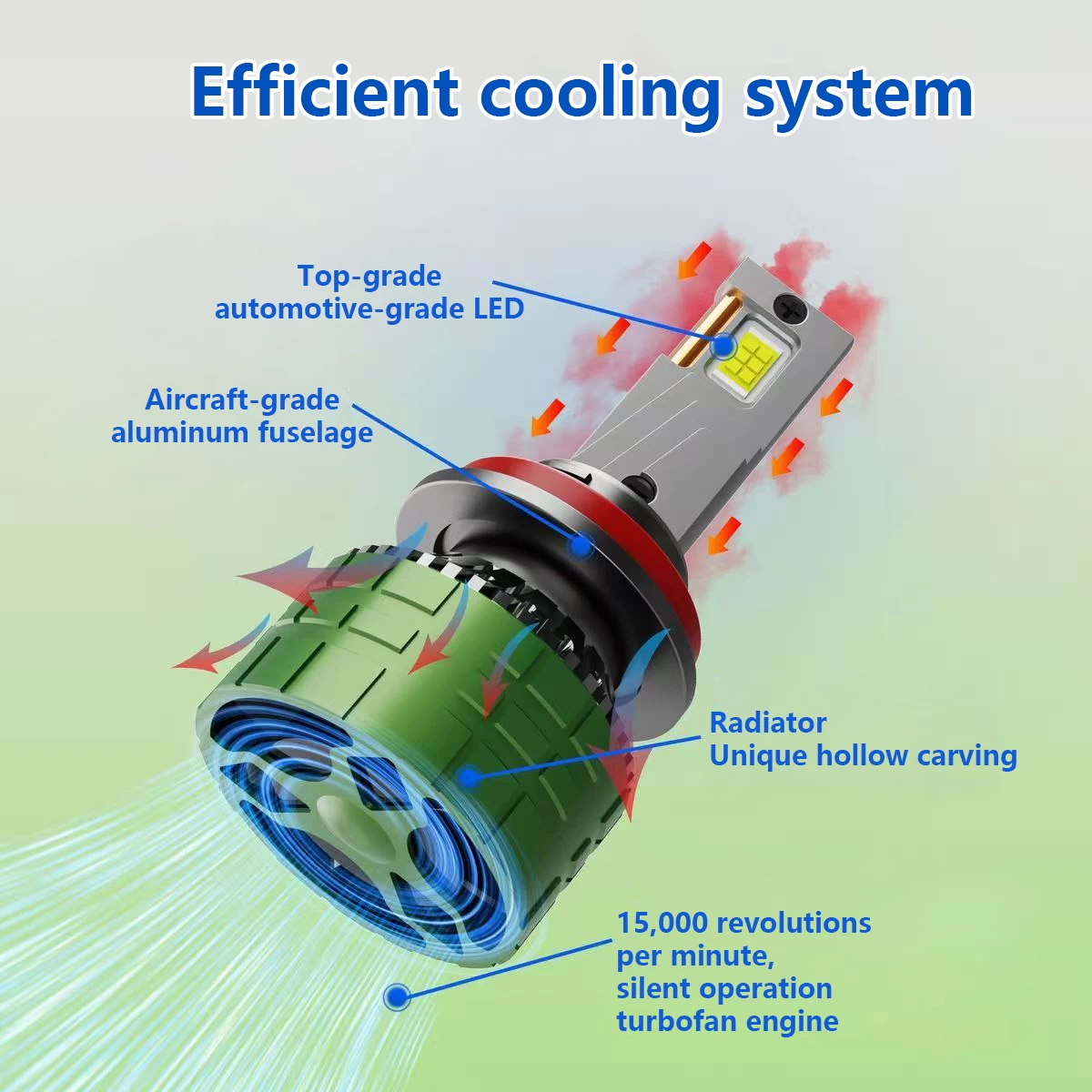
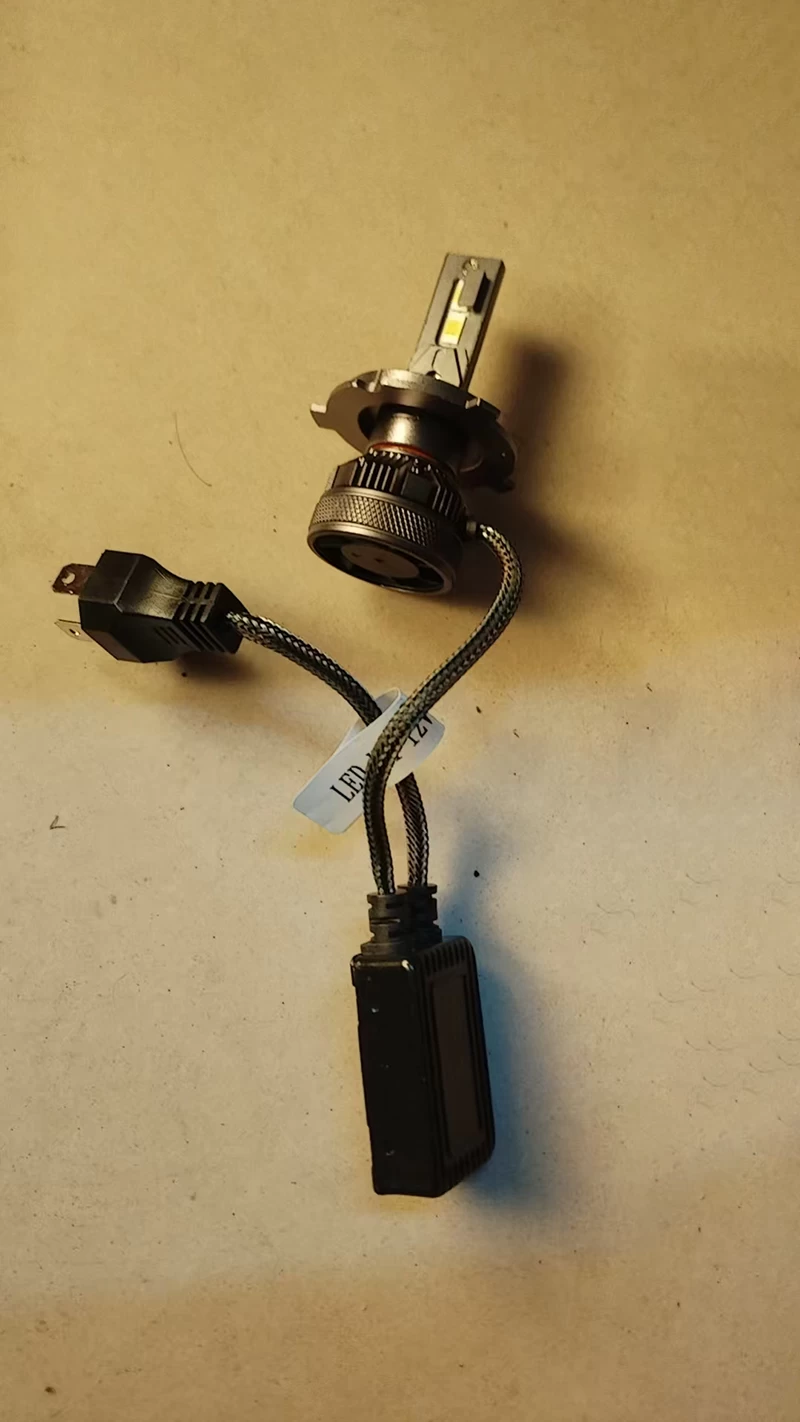
- Thermal management. LEDs generate heat at the emitter rather than radiating it with the light. Without adequate heat sinking or active cooling, output drops and service life shortens sharply.
Canbus compatibility is a third practical consideration: some vehicles detect the lower current draw of an LED as a bulb failure and trigger dashboard warnings. A resistor or a canbus-ready driver resolves this.
Laser: The High-End Option
Laser high-beam systems push usable illumination distance well beyond what LED provides, which matters on unlit highways. In the aftermarket this category is best positioned as a premium upgrade for customers with specific driving conditions rather than as a default recommendation. Cost per unit is higher, installation is more involved and the benefit is only realised in low-traffic, low-ambient-light environments.
Comparison at a Glance
| Factor | Halogen | LED | Laser |
|---|---|---|---|
| Upfront cost | Lowest | Moderate | Highest |
| Luminous efficacy | Baseline | High | Highest |
| Service life | Short | Long | Long |
| Installation effort | Plug and play | May need canbus fix | System-level |
| Best fitment | Volume replacement | Most upgrades | Premium / specific use |
What to Check Before Selling an Upgrade
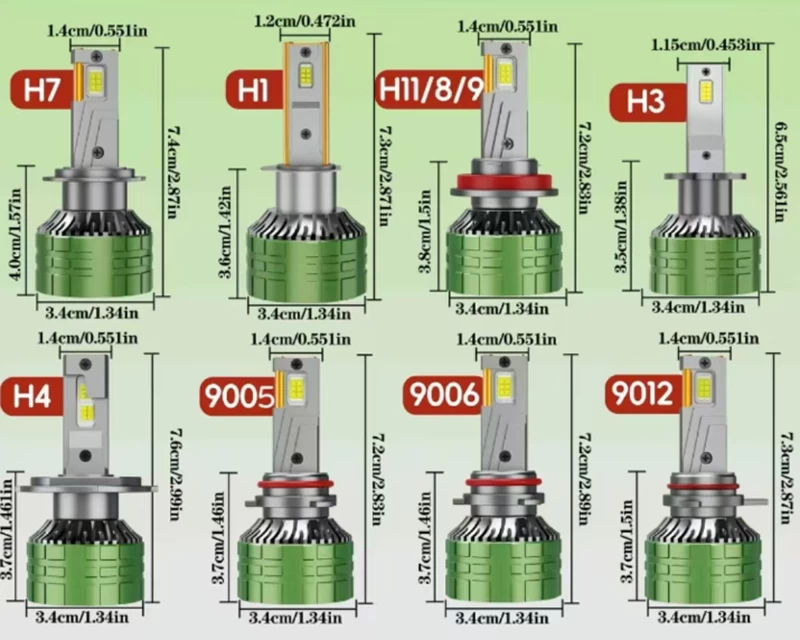
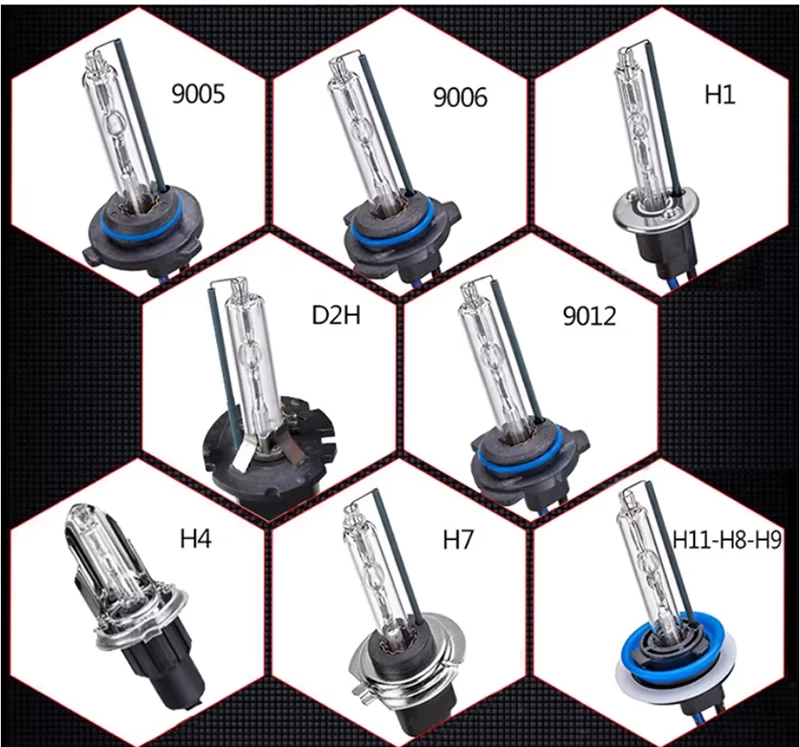
- Confirm the base type and the vehicle's bulb specification.
- Verify that the replacement maintains the original beam pattern.
- Check whether the vehicle needs a canbus-compatible driver.
- Confirm housing condition — a cloudy lens will waste the benefit of any upgrade.
- Confirm the housing has room for the heat sink or cooling fan.
- Review local regulations on colour temperature and aftermarket lighting.
Building a Bulb Programme That Sells Itself
The most effective approach for a workshop is to stock three tiers — a proven halogen baseline, a mainstream LED upgrade and a premium option — and to let technicians demonstrate the difference on the bench. Customers rarely know how much output they have lost until they see a new bulb beside the old one.
6.0 Degree's Lighting Range
6.0 Degree supplies a multi-scenario vehicle lighting range covering halogen, laser and specialty bulbs, alongside our air conditioning and drivetrain component lines. For distributors, we support range planning and specification matching so that the bulb programme aligns with the vehicle mix actually serviced in the region.
Key Takeaways
Halogen, LED and laser are not competing on a single axis — they serve different customer priorities. The upgrade that performs well is the one whose light source position, thermal design and electrical compatibility all match the vehicle. Sell the beam pattern and the service life, not just the brightness claim.