Compatibility Is a System Property, Not a Fluid Property
A refrigerant does not exist in isolation. It interacts with compressor lubricant, elastomer seals, hoses, expansion devices and electronic controls. A fluid that performs well in one system can cause seal swelling, oil starvation or control faults in another. This article sets out the compatibility points that matter most when matching refrigerant to an automotive or transport cooling system.
1. Refrigerant and Compressor Oil
The single most common compatibility failure is oil mismatch.
- PAG oil is the standard lubricant for R134a passenger-car systems. Different PAG viscosities and double-end-capped formulations are specified by OEMs.
- POE (polyol ester) oil is typically used with R1234yf and several blend refrigerants because of its miscibility and stability characteristics.
- Mineral oil remains in some older or stationary systems and is not miscible with R134a in the same way.
Mixing oils produces sludge, blocks the expansion valve and accelerates compressor wear. Whenever the refrigerant changes, the oil decision must be made in the same step.
2. Seal and Hose Materials
Elastomer compatibility varies across fluids and blends. Nitrile, neoprene and HNBR compounds respond differently to different refrigerants and to the additives carried with them. During a retrofit, seals and O-rings specified for the original fluid should be replaced with components rated for the new one. Hose permeability is also a factor: some blends permeate standard barrier hose more quickly, leading to slow charge loss that is difficult to diagnose.
3. Pressure and Temperature Envelope
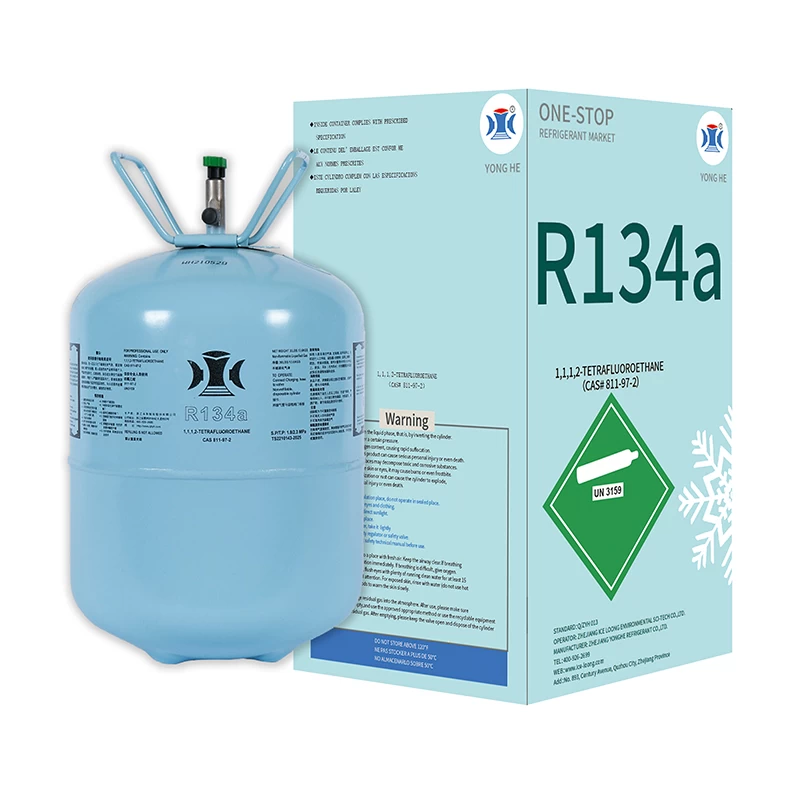
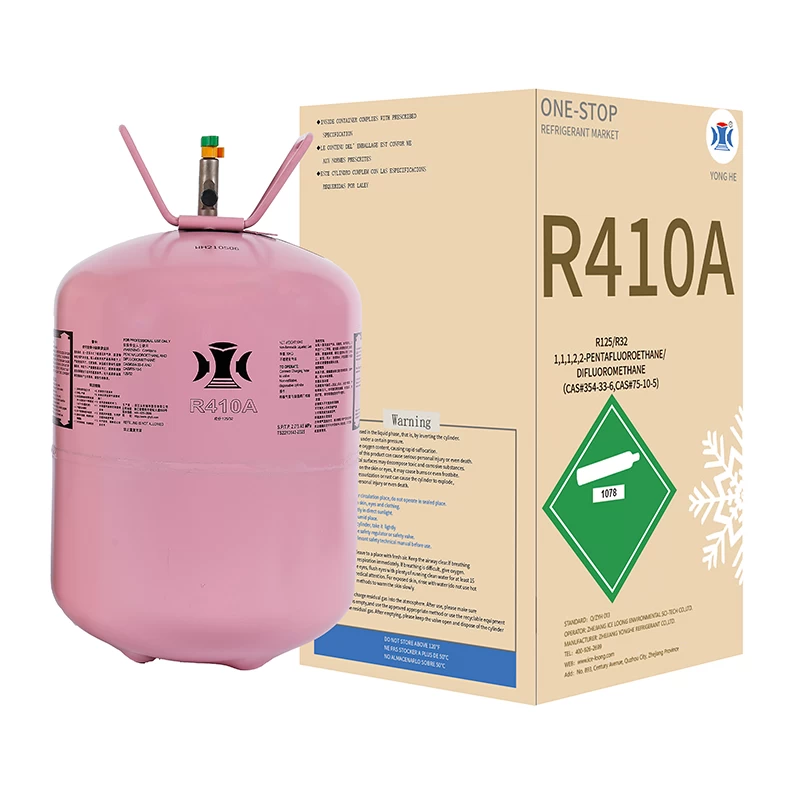
Blends such as R410A and R404A operate at substantially higher pressures than R134a. Verify that:
- service hoses, manifolds and recovery machines are rated for the working pressure,
- the condenser and evaporator are designed for the resulting temperature glide,
- pressure switches and relief devices match the new envelope.
Zeotropic blends also exhibit temperature glide — the components boil and condense over a range of temperatures rather than at a single point. This affects superheat settings and must be accounted for during charging.
4. Charging Method: Liquid vs Vapour
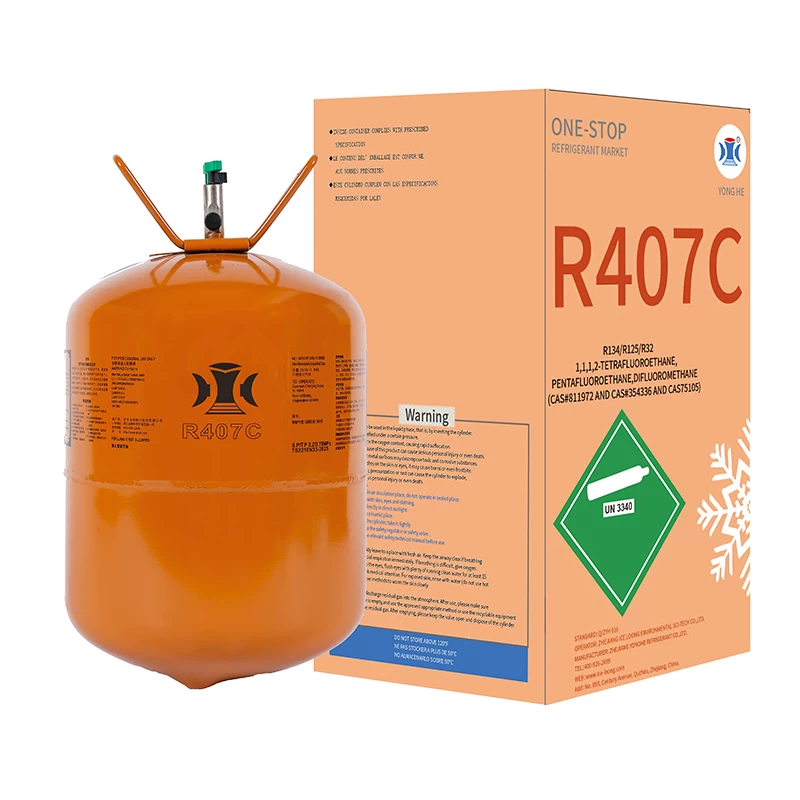
Single-component fluids and near-azeotropic blends can be charged as vapour. Zeotropic blends such as R407C must be charged as liquid, because drawing vapour from the cylinder preferentially removes the more volatile components and changes the blend composition. Charging a zeotropic blend incorrectly is one of the most frequent causes of unexplained capacity loss in the field.
5. Electrical and Control Interaction
Modern compressors are inverter-driven and electronically controlled. The control module expects a specific pressure-temperature relationship. Substituting a fluid with different characteristics can cause the controller to misread system state, leading to short cycling, over-speed operation or fault codes that appear unrelated to the refrigerant.
6. Retrofit Versus Repair
A retrofit introduces additional requirements: flushing the old charge and oil, replacing the receiver-drier or accumulator, changing seals, updating the label and confirming that the compressor is rated for the new fluid. A repair that simply adds a different refrigerant to an existing charge is not a retrofit — it is contamination.
Quick Compatibility Verification List
| Check | What to confirm |
|---|---|
| OEM label | Factory fluid type and charge weight |
| Oil specification | PAG grade, POE or mineral; never mix |
| Seal material | Rated for the target refrigerant |
| Pressure equipment | Service tools rated for working pressure |
| Charging method | Vapour for single-component, liquid for zeotropic blends |
| Control calibration | Module mapped to the correct fluid characteristics |
Where 6.0 Degree Fits
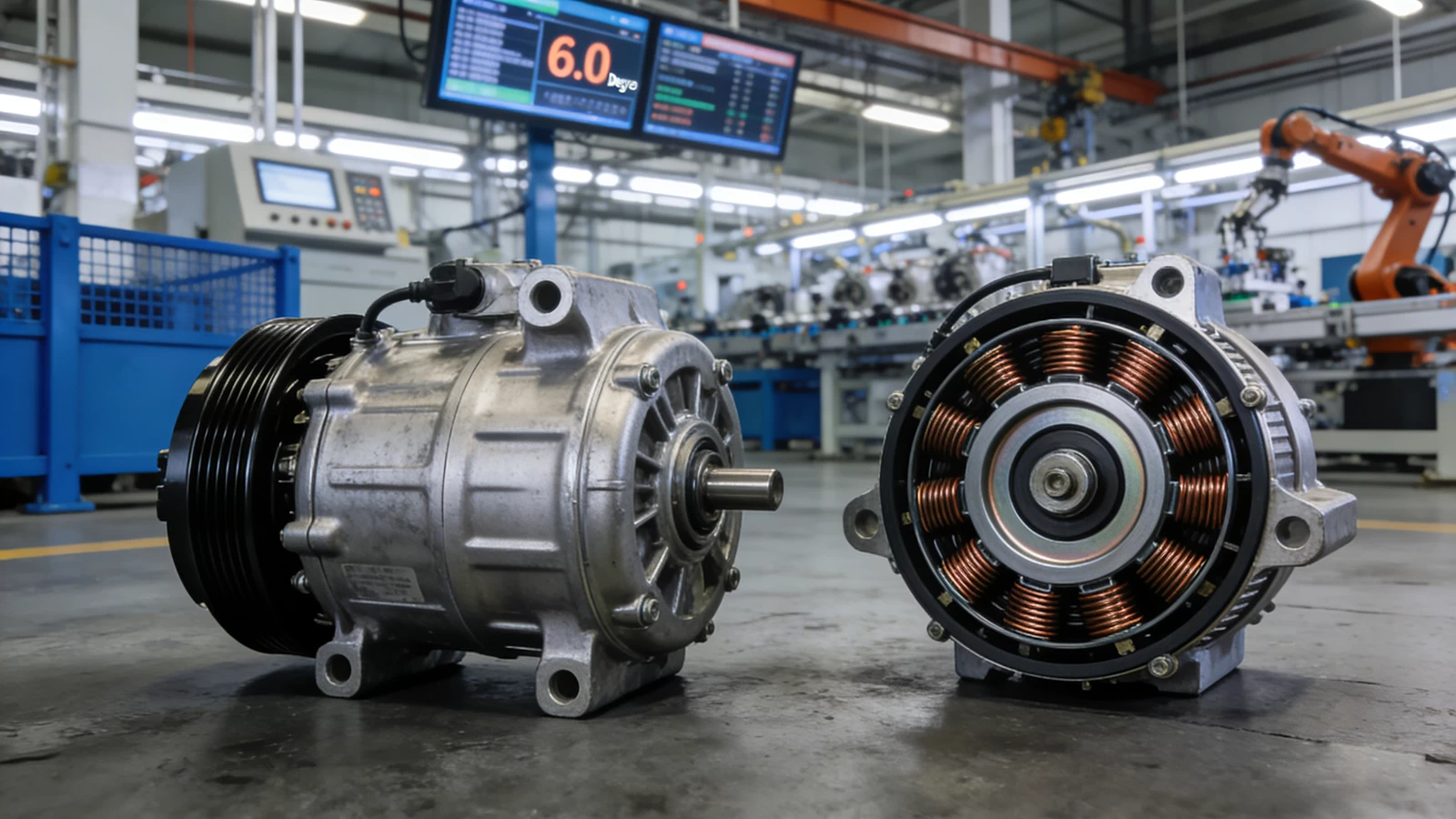
6.0 Degree's air conditioning business covers core components including A/C compressors and electromagnetic clutches alongside the Ice Dragon refrigerant range. That combination lets us advise on fluid, oil and component compatibility as one decision rather than three separate purchases — the approach that prevents repeat failures in after-sales service.
Key Takeaways
Compatibility must be verified at four levels: oil, seals, pressure envelope and control logic. The OEM label is the starting point, not the whole answer. Documenting the fluid-oil-seal combination on every job is what keeps a fleet's air conditioning service predictable.